










As schools across the country face evolving enrollment trends, aging facilities, and tighter construction timelines, modular classrooms have become a smart, flexible solution for expanding learning space—without sacrificing quality, safety, or design.
But what exactly are modular classrooms, and why are so many school districts choosing them over traditional construction?
What Are Modular Classrooms?
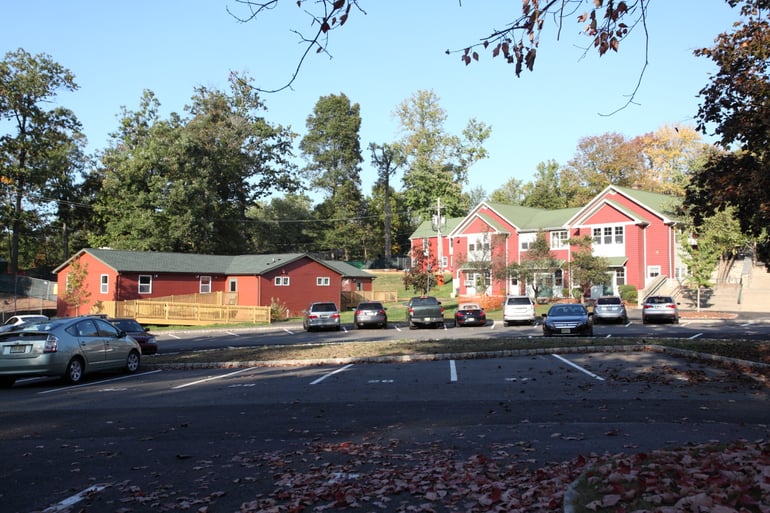
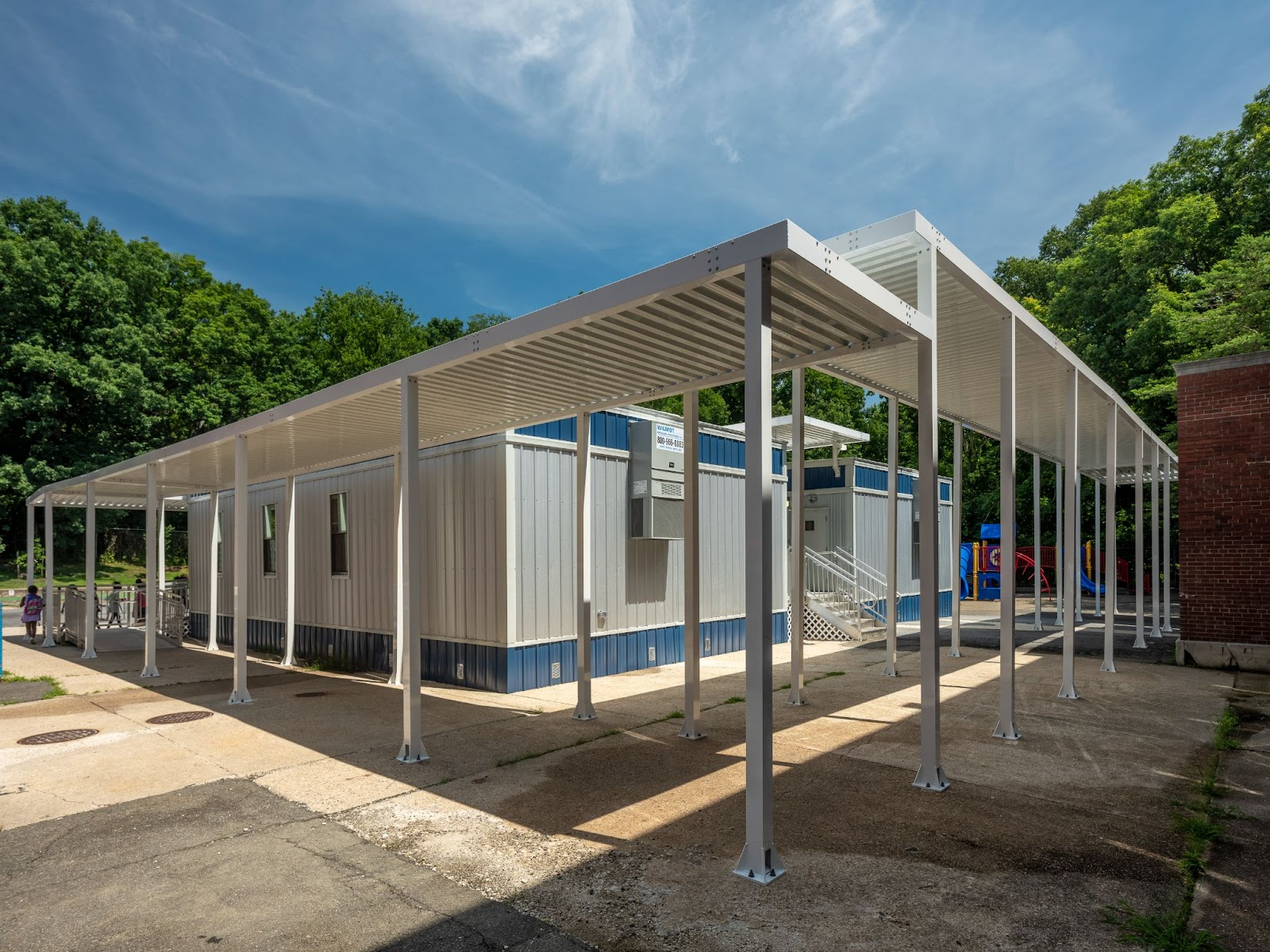
Modular classrooms are factory-built educational spaces constructed in controlled environments and then delivered to campus for installation. Unlike portable trailers of the past, today’s modular classrooms are thoughtfully designed, code-compliant buildings that can serve as temporary or permanent learning environments.
They can be configured as:
-
1. Single classrooms or multi-classroom buildings
-
2. Entire academic wings
-
3. Specialty spaces such as STEM labs, art rooms, or administrative offices
Once installed, modular classrooms function just like traditional buildings—with modern finishes, technology integration, and long-term durability.
Key Benefits of Modular Classrooms
1. Faster Timelines, Less Disruption
Because modular classrooms are built off-site while site preparation happens simultaneously, schools can significantly reduce construction timelines. This means:
-
-Faster occupancy
-
-Less noise and disruption during the school year
-
-Minimal impact on daily campus operations
For schools facing urgent space needs, modular classrooms can be ready in weeks or months—not years.
2. Cost Predictability and Budget Control
Modular construction offers greater cost certainty than traditional builds. Factory-controlled processes reduce weather delays, labor variability, and material waste—helping schools:
-
-Stay on budget
-
-Avoid unexpected overruns
-
-Plan more accurately for capital or operational spending
Whether leasing short-term or investing long-term, modular classrooms provide financial flexibility.
3. High-Quality, Code-Compliant Design
Modern modular classrooms are built to meet or exceed:
-
-State and local building codes
-
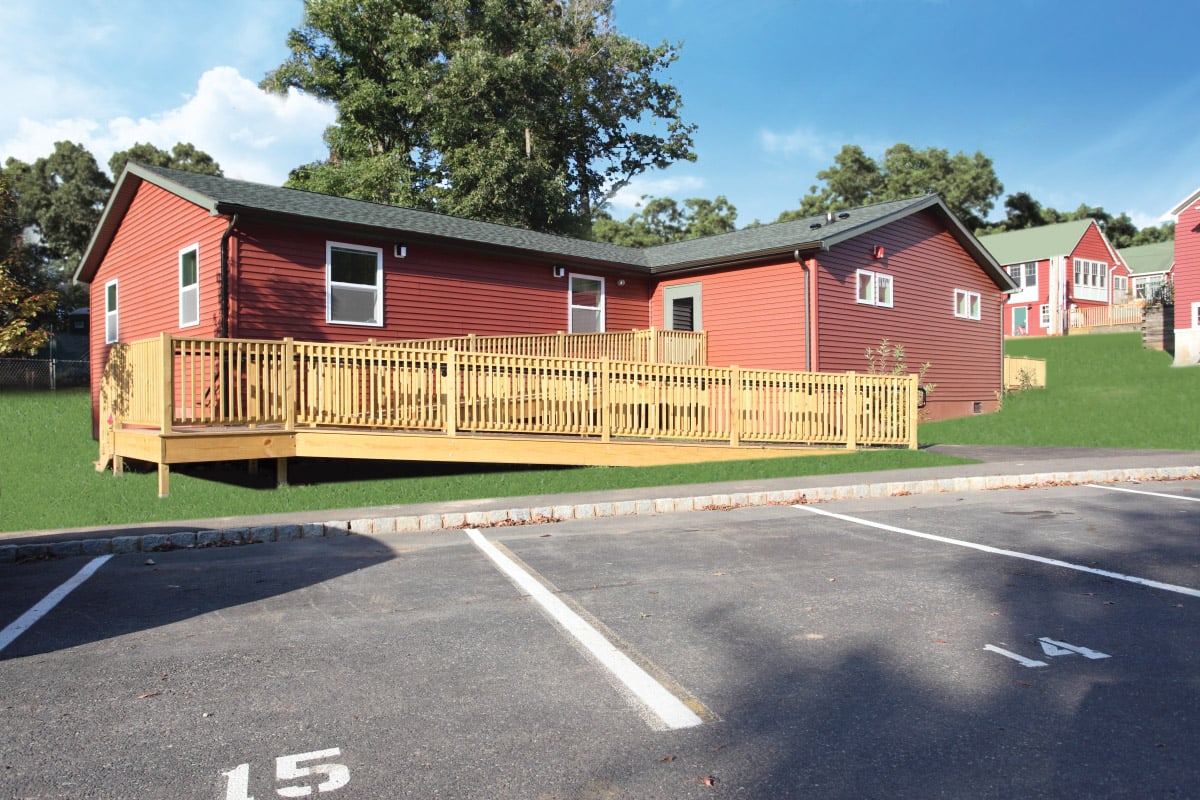
-ADA accessibility standards
-
-Educational and safety requirements
They feature durable materials, efficient HVAC systems, ample natural light, and layouts designed to support student engagement—proving that speed does not mean sacrificing quality.
4. Flexibility for Changing Needs
Enrollment patterns, zoning changes, and program growth can shift quickly. Modular classrooms allow schools to:
-
-Add space when needed
-
-Reconfigure or relocate buildings
-
-Scale campuses strategically over time
This adaptability makes modular classrooms ideal for both short-term enrollment spikes and long-term growth planning.
5. Sustainable and Efficient Construction
Modular construction is inherently more sustainable than traditional building methods. Benefits include:
-
-Reduced construction waste
-
-Energy-efficient designs
-
-Less on-site disruption to existing landscapes
Many modular classrooms are designed with long-term energy efficiency in mind, supporting sustainability goals while lowering operating costs.
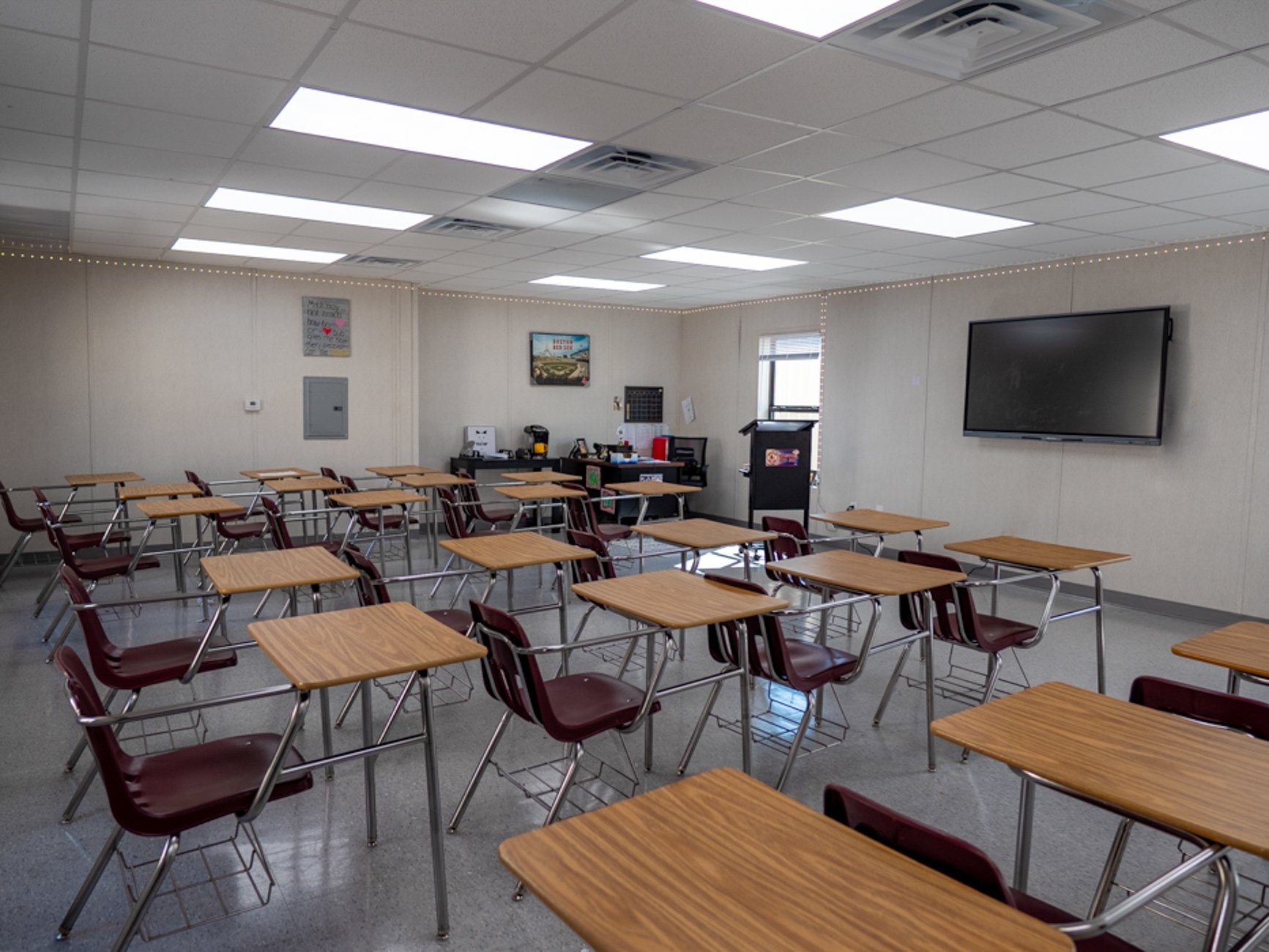
A Modern Solution for Modern Schools
Modular classrooms are no longer a stopgap—they are a strategic facilities solution for schools looking to expand quickly, responsibly, and intelligently. Whether addressing immediate space shortages or planning for future growth, modular classrooms offer a proven, flexible path forward.
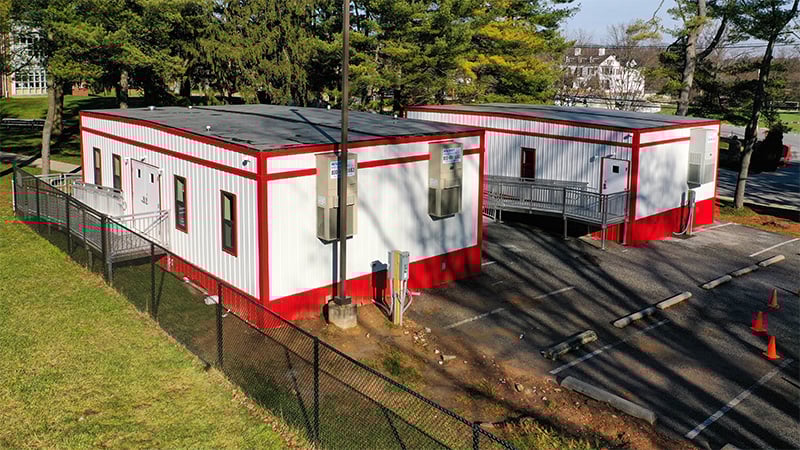
Partnering for the Right Solution
At Wilmot Modular Structures, Inc., we work closely with schools to design modular classroom solutions that align with educational goals, budgets, and long-term campus plans—delivering spaces where students and teachers can thrive.
Ready to explore modular classrooms for your school?
We’re here to help you build smarter, faster, and with confidence.